Voyager Program — NASA
NASA / JPL-Caltech
Active · Interstellar Space
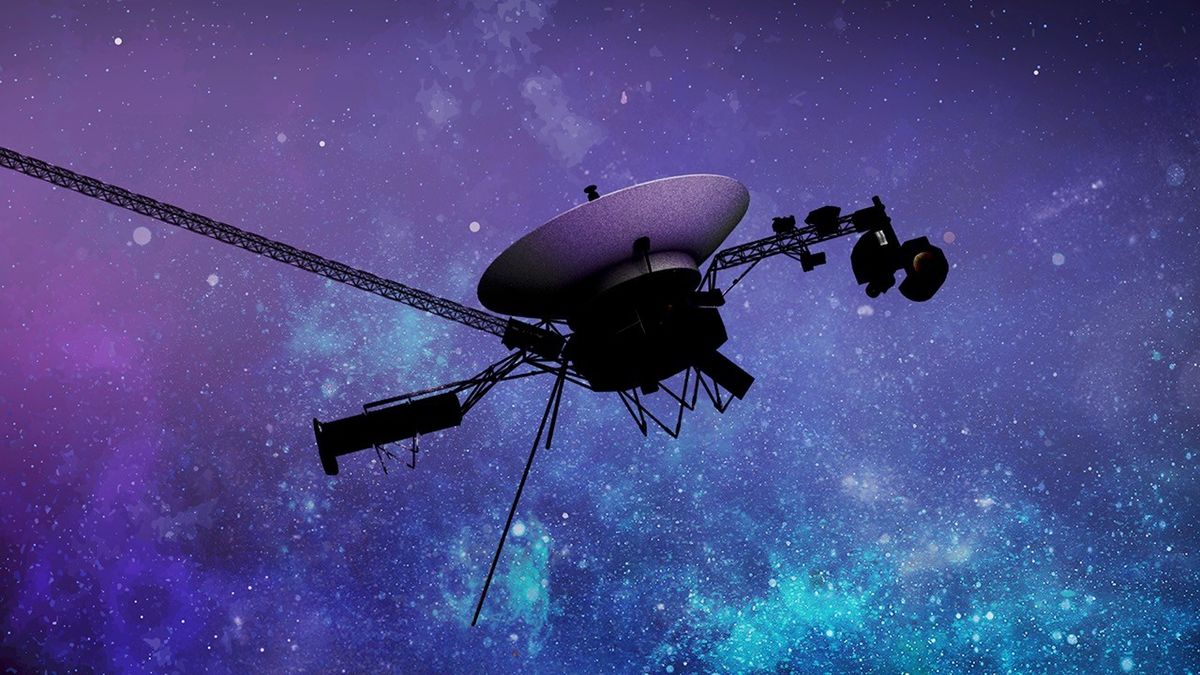
Voyager 1
Most distant human-made object ever · Launched Sept 5, 1977 · Entered interstellar space August 2012
Live Distance from Earth — Updates Every Second
—
kilometres (km) · travelling at ~61,500 km/h
—
Distance (Billion km)
—
Days Since Launch
~17.06
Speed (km/s)
One-Way Signal Travel Time
—
Time for a radio signal at the speed of light to reach Earth
Journey toward Proxima Centauri
—
🌍 Earth (1977)
⭐ Proxima Centauri (4.24 ly)
Mission Fact
Voyager 1 carries the Golden Record — a 12-inch gold-plated copper disk with sounds and images of Earth, intended for any intelligent extraterrestrial life that might find it.
NASA / JPL-Caltech
Active · Interstellar Space
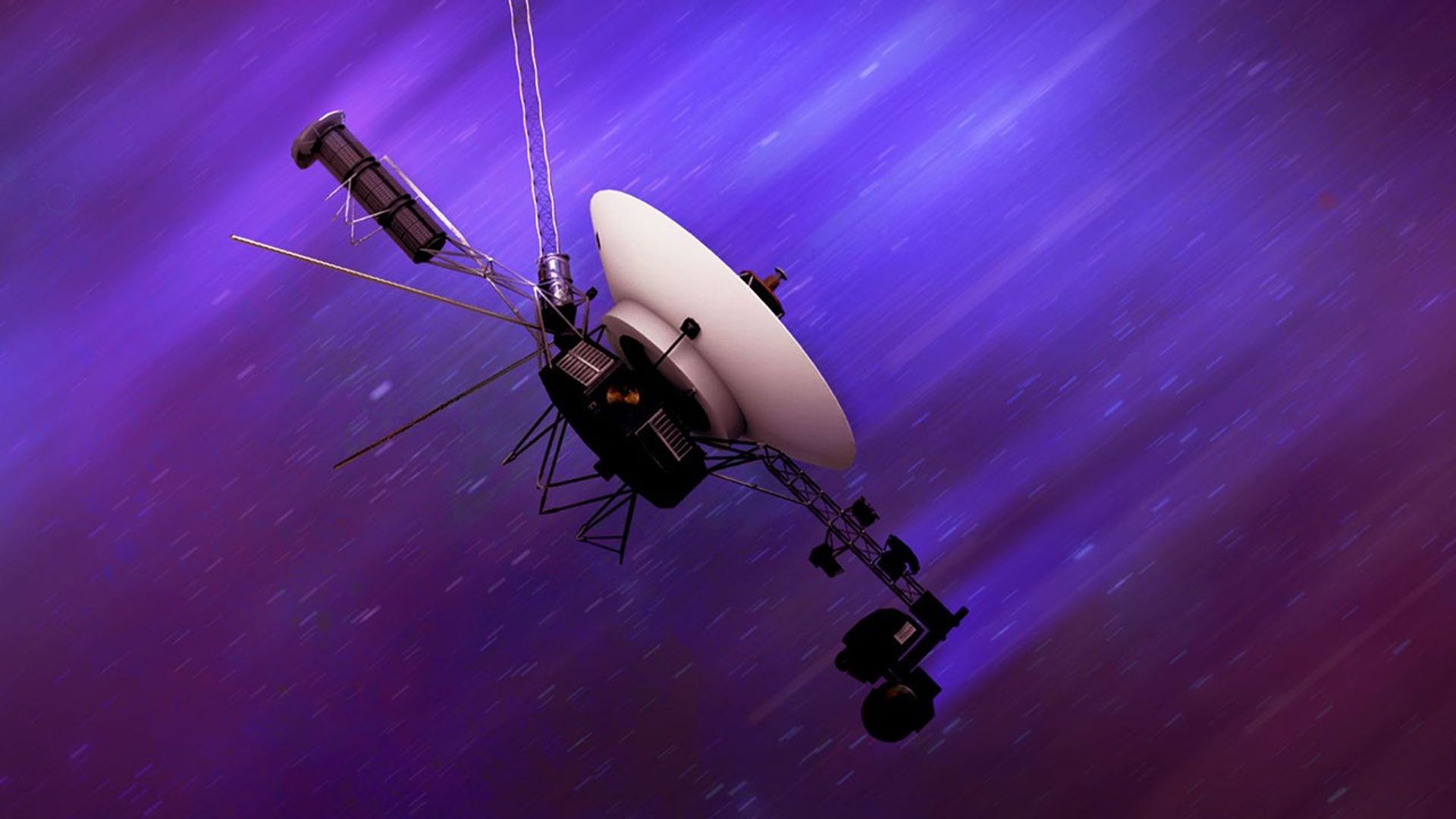
Voyager 2
Only spacecraft to visit all four outer planets · Launched Aug 20, 1977 · Entered interstellar space November 2018
Live Distance from Earth — Updates Every Second
—
kilometres (km) · travelling at ~55,340 km/h
—
Distance (Billion km)
—
Days Since Launch
~15.34
Speed (km/s)
One-Way Signal Travel Time
—
Time for a radio signal at the speed of light to reach Earth
Journey toward interstellar space
—
🌍 Earth (1977)
⭐ Proxima Centauri (4.24 ly)
Mission Fact
Voyager 2 is the only spacecraft to have visited Uranus and Neptune, revealing 11 new moons of Uranus and a Great Dark Spot on Neptune similar to Jupiter's Great Red Spot.
Outer Planet Missions — NASA & ESA
NASA / JPL-Caltech
Active · En Route to Jupiter
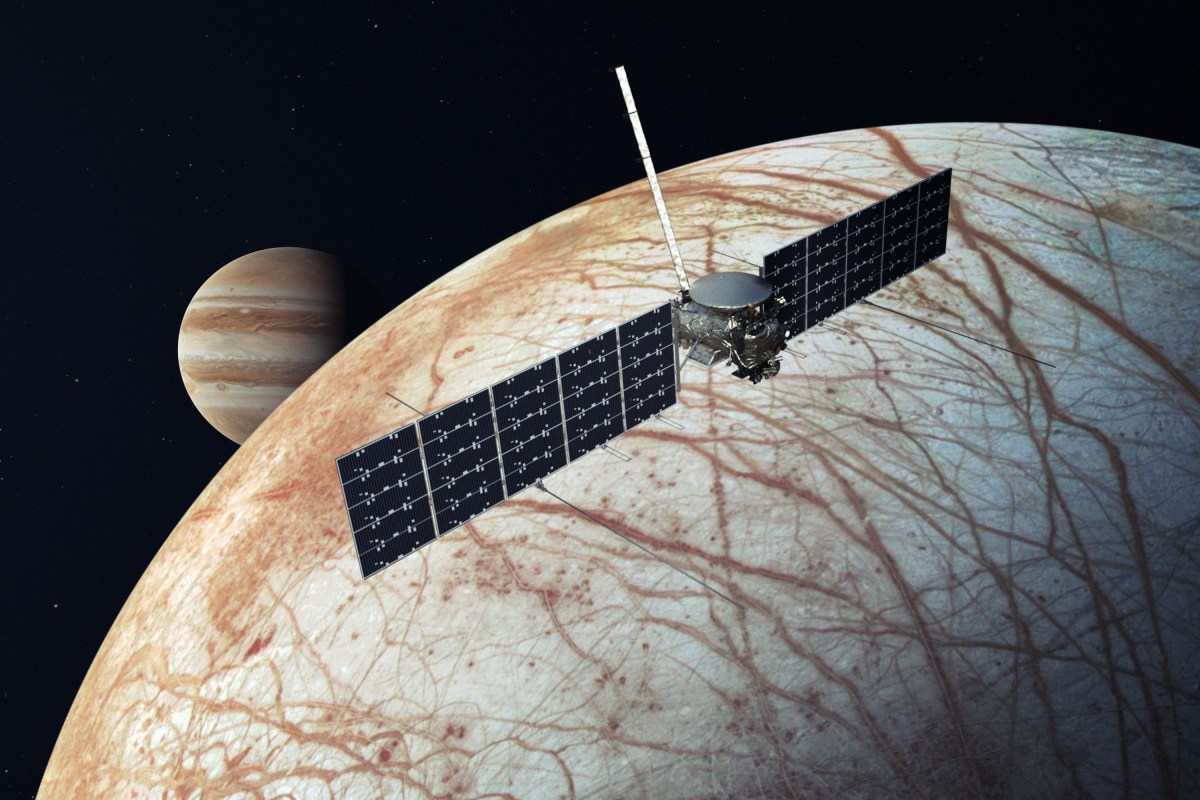
Europa Clipper
Investigating Europa's potential to support life · Launched Oct 14, 2024 · Arrival at Jupiter April 2030
Distance Travelled Since Launch
—
kilometres (km) of total 2.9 billion km journey
—
Distance (Million km)
—
Days Since Launch
—
Days to Arrival
Signal Delay at Jupiter Arrival
~35 min
Signal delay to Jupiter system (~628M km from Earth at arrival)
Journey to Jupiter · 2.9 billion km
—
🌍 Earth (Oct 2024)
🪐 Jupiter (Apr 2030)
Mission Fact
Europa likely has a saltwater ocean beneath its icy crust containing twice as much liquid water as all of Earth's oceans combined — making it one of the most promising places to search for extraterrestrial life in our solar system.

ESA
Active · En Route to Jupiter
JUICE
Jupiter Icy Moons Explorer · Launched Apr 14, 2023 · Arrival at Jupiter July 2031 · First spacecraft to orbit a moon other than our own
Distance Travelled Since Launch
—
kilometres (km) of total 6.6 billion km journey
—
Distance (Billion km)
—
Days Since Launch
—
Days to Arrival
Signal Delay at Jupiter Arrival
~35 min
Signal delay to Jupiter system (~628M km from Earth at arrival)
Journey to Jupiter · 8 year cruise
—
🌍 Earth (Apr 2023)
🪐 Jupiter (Jul 2031)
Mission Fact
JUICE carries 10 science instruments including a radar that can penetrate 9km of ice, and will become the first spacecraft ever to orbit a moon other than Earth's Moon — Ganymede.
NASA / APL
Active · Kuiper Belt
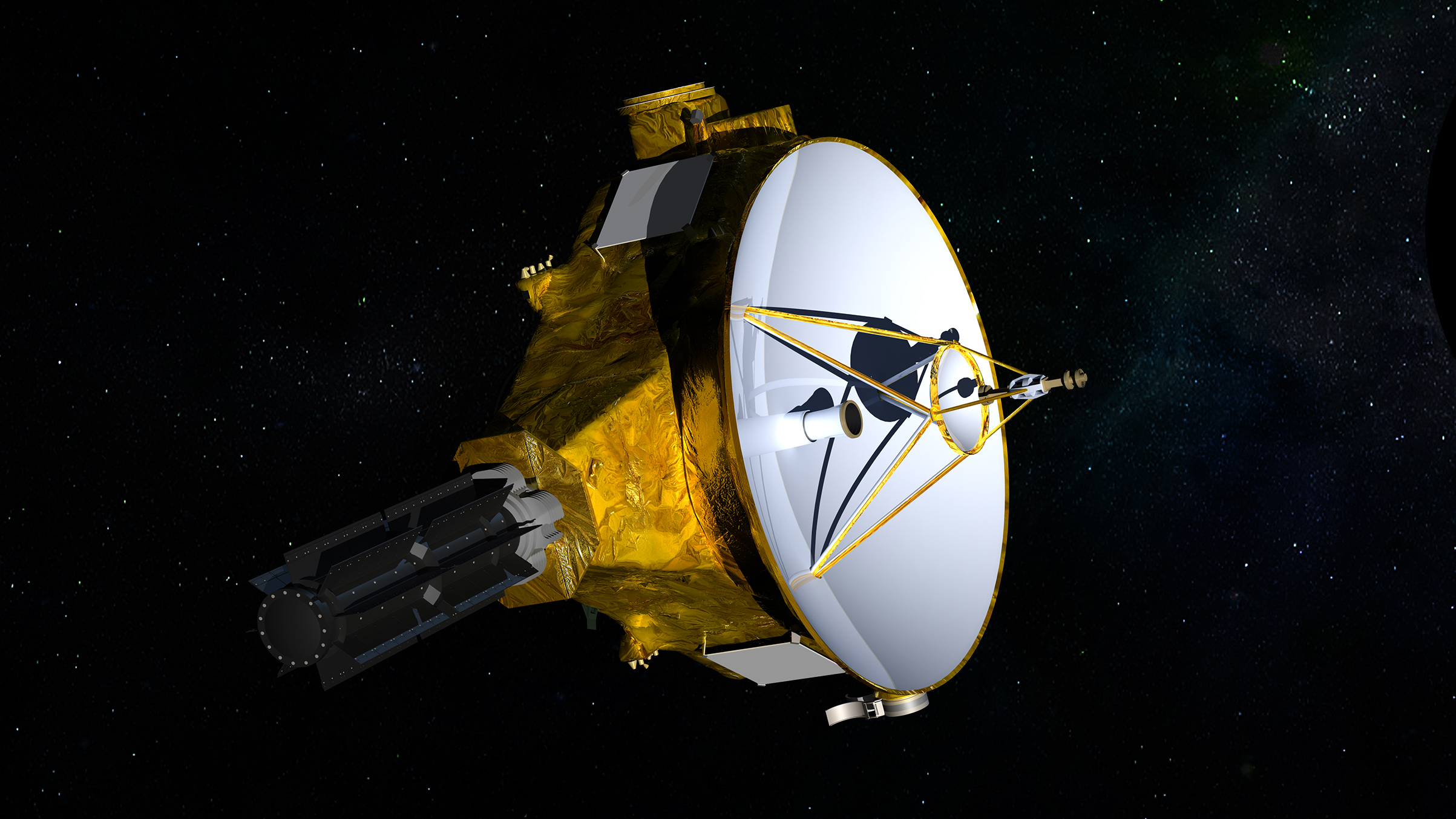
New Horizons
First spacecraft to visit Pluto · Launched Jan 19, 2006 · Pluto flyby July 14, 2015 · Now exploring the Kuiper Belt
Live Distance from Earth — Updates Every Second
—
kilometres (km) · travelling at ~51,500 km/h
—
Distance (Billion km)
—
Days Since Launch
~14.3
Speed (km/s)
One-Way Signal Travel Time
—
Time for a radio signal at the speed of light to reach Earth
Journey into Kuiper Belt
—
🌍 Earth (2006)
⭐ Proxima Centauri (4.24 ly)
Mission Fact
New Horizons revealed Pluto has mountains as tall as the Rockies, a heart-shaped nitrogen ice plain, and a thin atmosphere — far more complex than anyone expected from this tiny world at the edge of our solar system.
Solar & Asteroid Missions — NASA
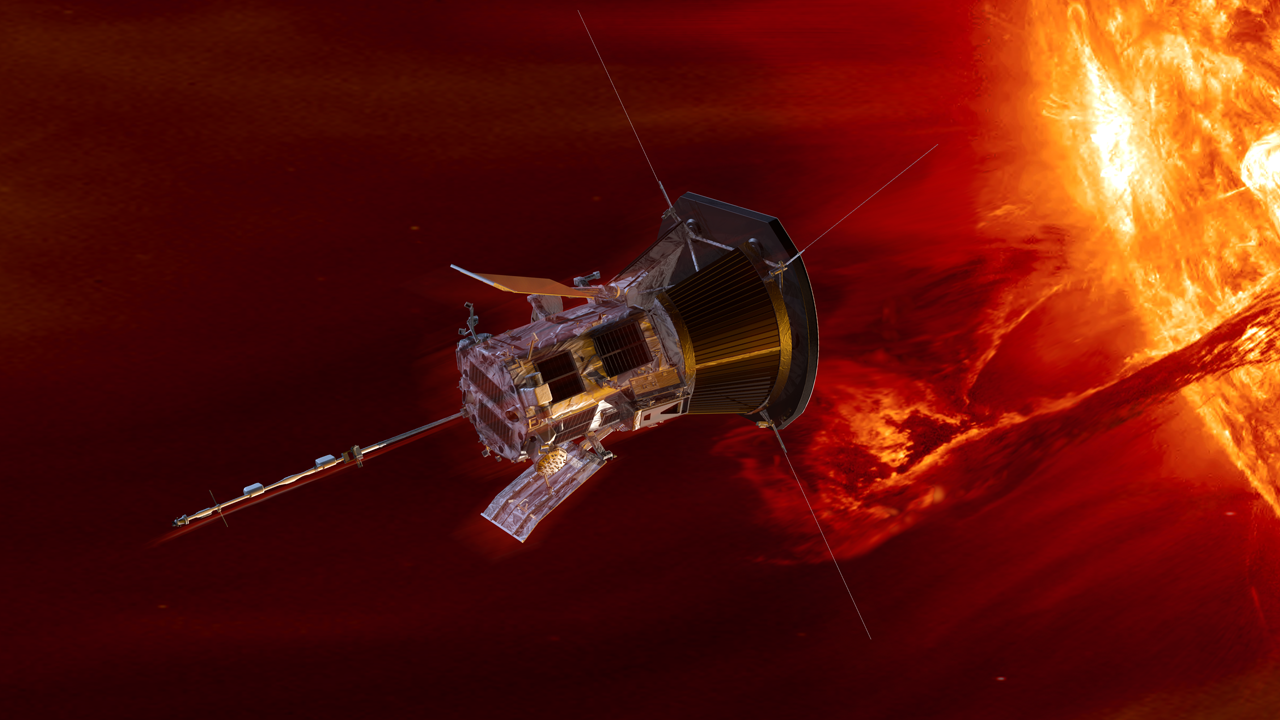
NASA / APL
Active · Solar Orbit
Parker Solar Probe
Fastest human-made object ever · Launched Aug 12, 2018 · Touching the Sun's outer atmosphere · First spacecraft to enter solar corona
Days Since Launch
—
days in operation · orbiting closer to the Sun than any spacecraft before
6.1M km
Closest Sun Approach
692,000
Top Speed (km/h)
—
Solar Orbits Complete
Heat Shield Temperature
~1,400°C
Carbon-composite heat shield protects instruments at closest solar approach
Mission progress (planned 7 years)
—
🚀 Launch (Aug 2018)
☀️ Primary Mission End (2025)
Mission Fact
Parker Solar Probe travels so fast that if it could drive around Earth, it would complete the trip in under a minute. At closest approach, it reaches 692,000 km/h — the fastest any human-made object has ever moved.
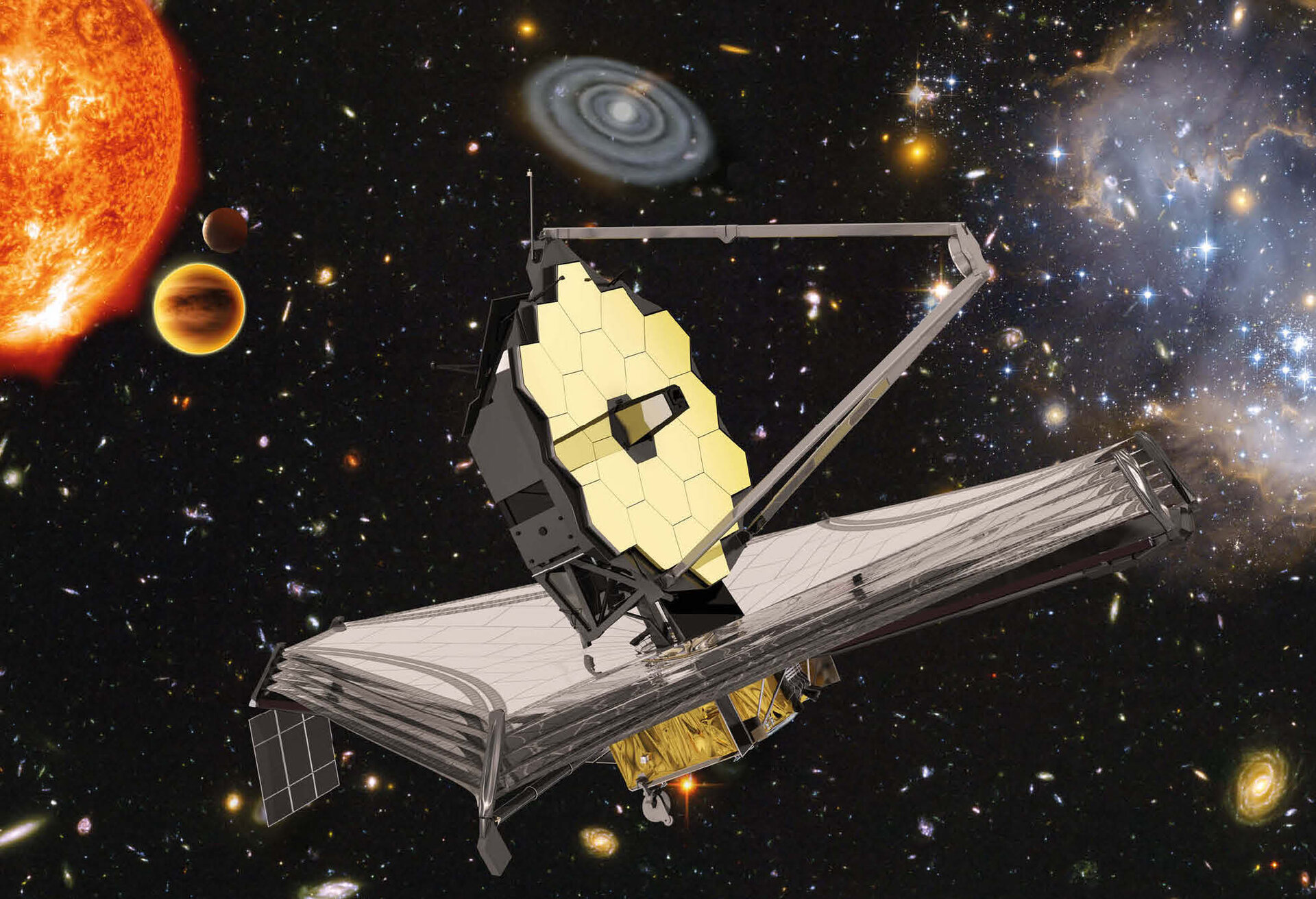
NASA / ESA / CSA
Active · L2 Orbit
James Webb Space Telescope
Most powerful space telescope ever built · Launched Dec 25, 2021 · Orbiting Sun-Earth L2 point · 1.5 million km from Earth
Distance from Earth
1,500,000 km
kilometres · stationed at Sun-Earth Lagrange Point 2 (L2)
—
Days in Operation
13.8B yrs
Furthest Look Back
−233°C
Mirror Temperature
Signal Travel Time (Earth ↔ Webb)
~5 seconds
At 1.5 million km away, commands take ~5 seconds to reach the telescope
Mission progress (10+ year design life)
—
🚀 Launch (Dec 2021)
🔭 End of Design Life (2031+)
Mission Fact
JWST's primary mirror is so large (6.5m) that it had to be folded origami-style to fit inside the rocket. It unfolded in space over two weeks — the most complex spacecraft deployment ever attempted.
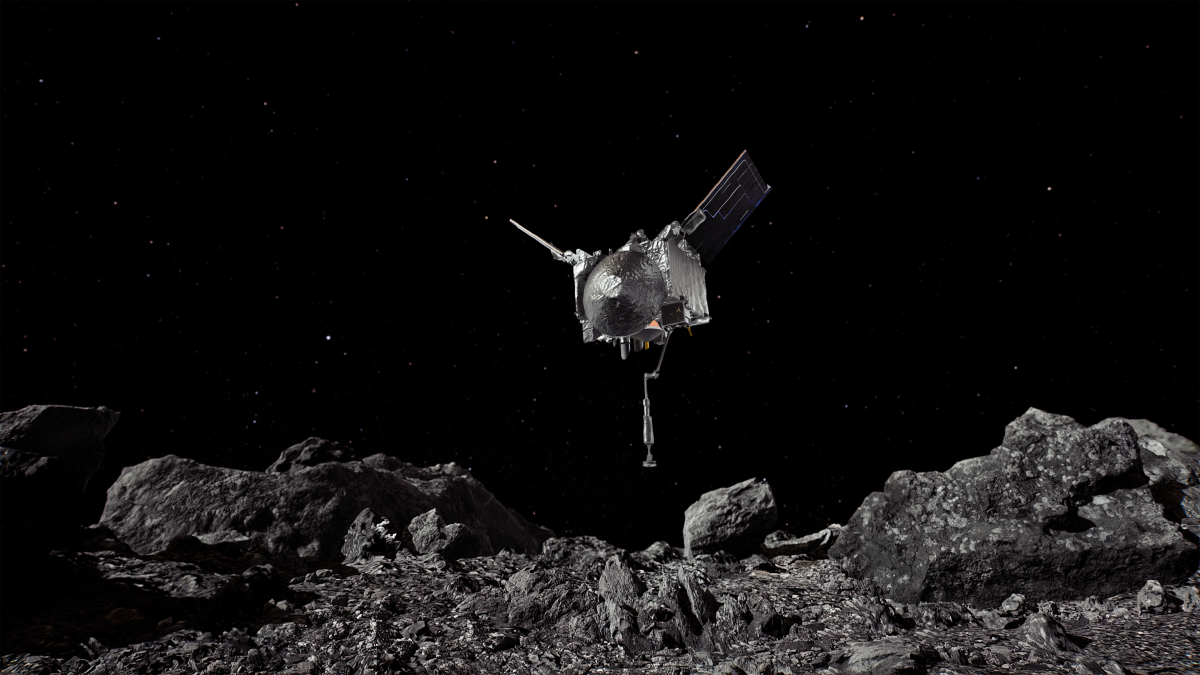
NASA / University of Arizona
Active · En Route to Apophis
OSIRIS-APEX
Formerly OSIRIS-REx · Delivered Bennu samples to Earth Sept 2023 · Now targeting asteroid Apophis · Arrival April 2029
Days Since Apophis Mission Start
—
days since sample delivery · en route to near-Earth asteroid Apophis
—
Days Since Redirect
—
Days to Apophis
340m
Apophis Diameter
Apophis Earth Flyby
April 13, 2029
Apophis will pass within 32,000 km of Earth — closer than some satellites. OSIRIS-APEX will be there.
Journey to Apophis
—
🌍 Earth Departure (Sept 2023)
☄️ Apophis (Apr 2029)
Mission Fact
In 2004, Apophis caused brief concern when calculations suggested a 2.7% chance it would hit Earth in 2029. Further observations ruled that out — but it will still make one of the closest asteroid passes ever recorded, visible to the naked eye from Earth.
⚡ How Signal Delay Works
All communication with deep space spacecraft travels at the speed of light — 299,792 km per second. No matter how powerful the antenna, signals cannot travel faster. This means commands sent to Voyager 1 today won't arrive for over 22 hours — and its reply won't reach Earth for another 22 hours after that. A full conversation takes nearly 2 days.
The formula is simple: Distance ÷ 299,792 km/s = Signal delay in seconds
1.3s
Earth → Moon
~8 min
Earth → Sun
~35 min
Earth → Jupiter
22+ hrs
Earth → Voyager 1